
From Survival to Service: The Connection Between Trauma and Spiritual Abilities
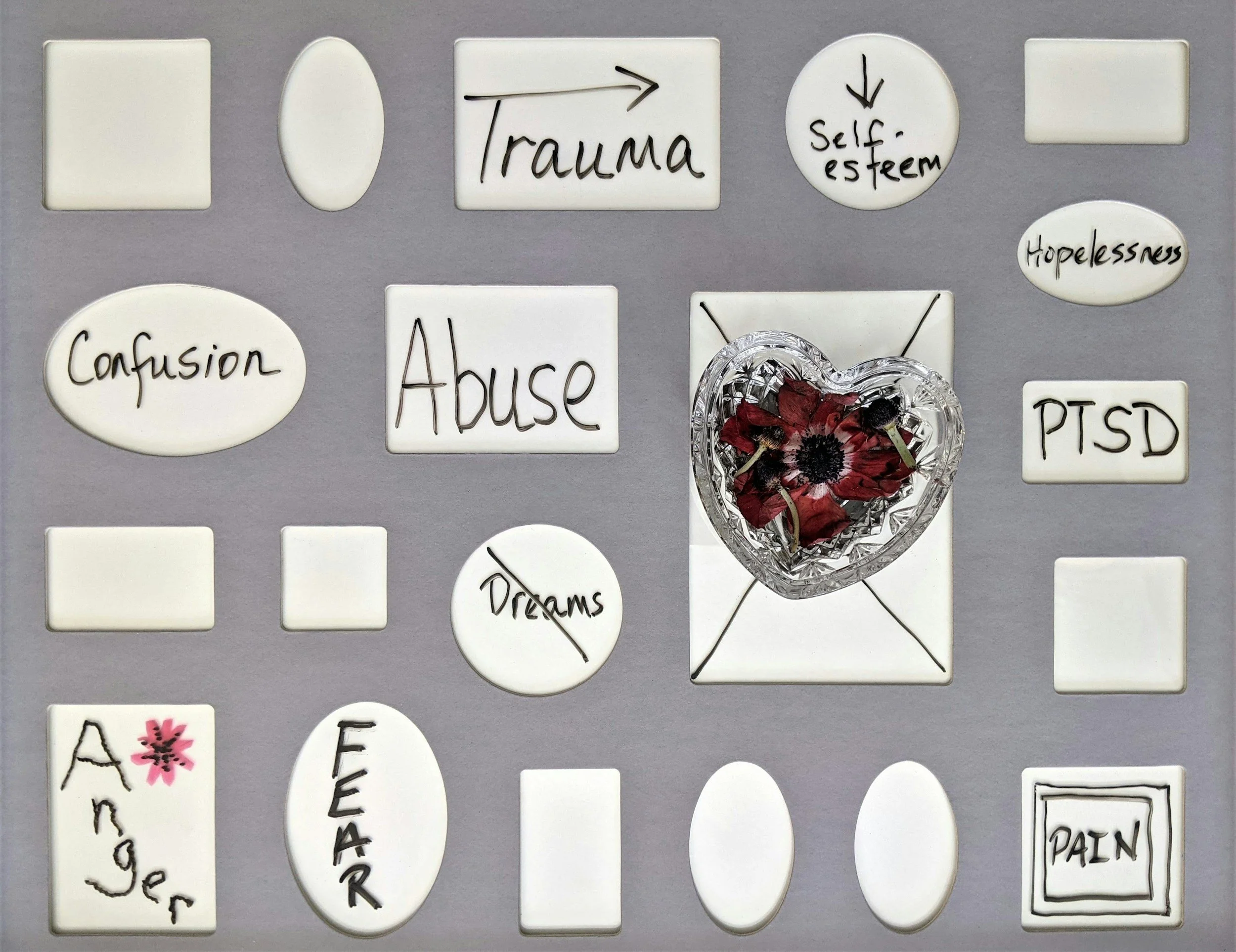
My therapist once told me I was hypervigilant—a term that initially felt like another label for something “wrong” with me. What I’ve come to understand through years of training, therapy, and research is that hypervigilance and dissociation, while often born from trauma, can become profound tools for healing when approached with intention and proper support.
Like many of my clients and mentees, I learned early to scan environments for safety, to sense what others couldn’t see, and to retreat into imaginative realms when reality became overwhelming. These weren’t character flaws—they were sophisticated neurological adaptations that helped me survive difficult circumstances.
Carl Jung recognized this phenomenon as “differentiated perception”—a rare psychological ability to perceive unconscious patterns and hidden emotions that most people miss. Jung observed that individuals with this capacity can sense lies, feel the underlying atmosphere of a room, and detect psychological dynamics others remain unaware of.
However, Jung also noted the double-edged nature of this gift. Those with differentiated perception often experience psychological distress, social isolation, and may feel like scapegoats because their insights can make others uncomfortable or feel exposed. Jung proposed that this ability could either destroy a person or lead to transformation through the individuation process—learning to distinguish one’s own psychology from absorbed content and integrating one’s shadow aspects.
This Jungian understanding provides crucial context for the trauma-mediumship connection: what begins as hypervigilant scanning for survival can evolve into sophisticated perceptual abilities that, with proper development, become tools for conscious service.
What Science Tells Us About Mediumship and Perception
Recent research from multiple disciplines is revealing that mediumship abilities may have measurable, biological foundations rooted in neurological adaptations to early experiences.
The Windbridge Research Center’s rigorous scientific protocols have found that mediumship creates distinct brain states. Using EEG technology, researchers discovered that when mediums communicate with deceased persons, their brain activity differs measurably from ordinary thinking, imagination, or memory recall. The brain shows simultaneous activation in some areas and decreased activity in regions associated with analytical thinking—consistent with dissociative states where survival systems remain alert while cognitive filtering decreases.
One Windbridge study examining the health correlates of mediumship found that the mediumship process itself doesn’t cause the health issues sometimes seen in medium populations. Instead, researchers proposed “an alternative model addressing the relationship between childhood trauma and physical illness,” suggesting that early trauma—not mediumship practice—underlies these health patterns. Under “quintuple-blind” conditions (where neither mediums, researchers, nor clients know details about the deceased persons), trained mediums have demonstrated statistically significant accuracy in providing specific information about people they’ve never met.
Contemporary neuroscience reveals how early trauma creates lasting changes in brain structure and function. The National Institute of Mental Health’s research on developmental trauma shows that childhood adversity alters neural pathways related to threat detection, emotional regulation, and sensory processing. These adaptations, while protective in dangerous environments, can become assets when consciously developed.
Dr. Bessel van der Kolk’s work on trauma and the body demonstrates how hypervigilance and dissociation develop as sophisticated survival mechanisms. His research shows that individuals with trauma histories often develop enhanced abilities to read environmental cues, detect subtle emotional changes in others, and access non-ordinary states of consciousness.
Dr. Elaine Aron’s research on Sensory Processing Sensitivity reveals that approximately 20% of the population possesses heightened sensitivity to environmental stimuli. HSPs show increased activity in brain regions associated with awareness, empathy, and processing subtle information. Many mediums and intuitives test as HSPs, suggesting a neurological basis for enhanced perceptual abilities.
Research in consciousness studies shows that dissociation exists on a spectrum from pathological fragmentation to adaptive, controlled states. Studies published in the Journal of Trauma & Dissociation demonstrate that individuals can learn to consciously access dissociative states for therapeutic and spiritual purposes when proper training and integration occur.
Dr. Colin Ross’s research distinguishes between pathological dissociation (fragmented, distressing) and healthy dissociation (integrated, purposeful). This aligns with meditation research showing that advanced practitioners can intentionally alter consciousness states for specific outcomes.
Anthropologist Rebecca Seligman’s groundbreaking fieldwork in Salvador, Brazil, studying spirit possession in the Afro-Brazilian religion Candomblé, provides a cultural framework for understanding how trauma-based dissociative abilities can become sources of healing rather than distress. Her research shows that within supportive religious communities, individuals reinterpret their initial distress and dissociative experiences as a spiritual calling.
Through “self-transformation,” what Western medicine might pathologize becomes a pathway to meaningful service as a religious authority. This healing occurs not just mentally, but through embodied ritual practices that create new ways of experiencing the body and self. Seligman’s work demonstrates that cultural context is crucial - what is considered pathological in one culture can be a source of healing and positive transformation in another.
My Journey: From Survival Skills to Conscious Practice
When I began training at the Oakbridge Institute, I discovered that my hypervigilance and capacity to dissociate—skills I’d developed to navigate childhood trauma—could be transformed into tools for serving others. But this transformation required intentional work.
Over three years of intensive training, combined with two years of therapy and Internal Family Systems (IFS) sessions, I learned to work with these abilities from a place of healing rather than reactivity. The hypervigilance that once kept me constantly scanning for danger now helps me attune to subtle energetic information. The dissociation that once took me to “magical realms” for escape now allows me to access non-ordinary states of consciousness for spiritual communication.
The key difference is consciousness and integration. Rather than these abilities operating automatically from unhealed places, I now engage them intentionally from a foundation of self-awareness and emotional regulation.
Teaching Others the Healing Path
In my mentoring program, I work with many individuals who, like me, have discovered that their hypervigilance and dissociative capacities can become gifts when properly developed. The process involves several crucial elements supported by current psychological research.
Following van der Kolk’s research on trauma and the body, I emphasize that spiritual bypassing—using spiritual practices to avoid dealing with psychological wounds—can be harmful to both practitioners and their clients. Before developing mediumship abilities, individuals need to understand their own trauma responses and develop healthy coping mechanisms. The HSP research shows that many people with mediumistic tendencies are already processing more environmental information than average. Without proper boundaries and self-regulation skills, this can lead to overwhelm rather than conscious ability.
Following Rebecca Seligman’s anthropological research, I’ve found that supportive community is essential for healthy transformation. Seligman’s work shows that within accepting cultural frameworks, individuals can reinterpret their initial distress and dissociative experiences as spiritual gifts rather than pathology. This “self-transformation” process occurs through community support, meaningful frameworks, and specific practices that help individuals embody new ways of being. In my mentoring work, I create similar containers where people can safely explore and develop their abilities.
The skills I teach directly address Jung’s individuation process: distinguishing self from other by learning to recognize when you’re feeling your own emotions versus absorbing others’ feelings—essential for both mental health and accurate spiritual work; shadow integration by working with the wounded parts of self that developed hypervigilant and dissociative responses; conscious perception by transforming automatic trauma responses into intentional, differentiated perception; and embodied presence by moving from dissociation as escape to conscious states of expanded awareness.
Current neuroscience shows that focused practice can rewire trauma responses. The training includes somatic practices for learning to inhabit the body consciously rather than automatically dissociating; boundary work for developing energetic and emotional boundaries while maintaining openness to spiritual information; grounding techniques for staying present and regulated while accessing expanded states of consciousness; and integration practices for processing spiritual experiences through psychological frameworks.
The Science of Healing
What emerges from both the scientific research and lived experience is a nuanced understanding: mediumship abilities often develop from neurological adaptations to trauma, but they can become tools for profound healing when approached consciously and ethically.
The Brazilian mediumship research found that experienced practitioners in supportive communities show better mental health outcomes than control groups. This suggests that when trauma-based abilities are transformed through proper training and community support, they can contribute to wellbeing rather than distress.
Moving Forward
If you recognize yourself in this description—if you’ve always been hypervigilant, if you’ve found refuge in dissociation, if you sense things others don’t—know that these aren’t pathologies to be cured but potential gifts to be consciously developed.
The path from survival to service requires dedication, proper training, and ongoing self-work. But as both research and experience demonstrate, it’s possible to transform our deepest wounds into our greatest sources of strength—not through spiritual bypassing, but through the integration of healing and conscious development.