
Spiritualism in America: Women, Power, and the Price of Speaking to the Dead
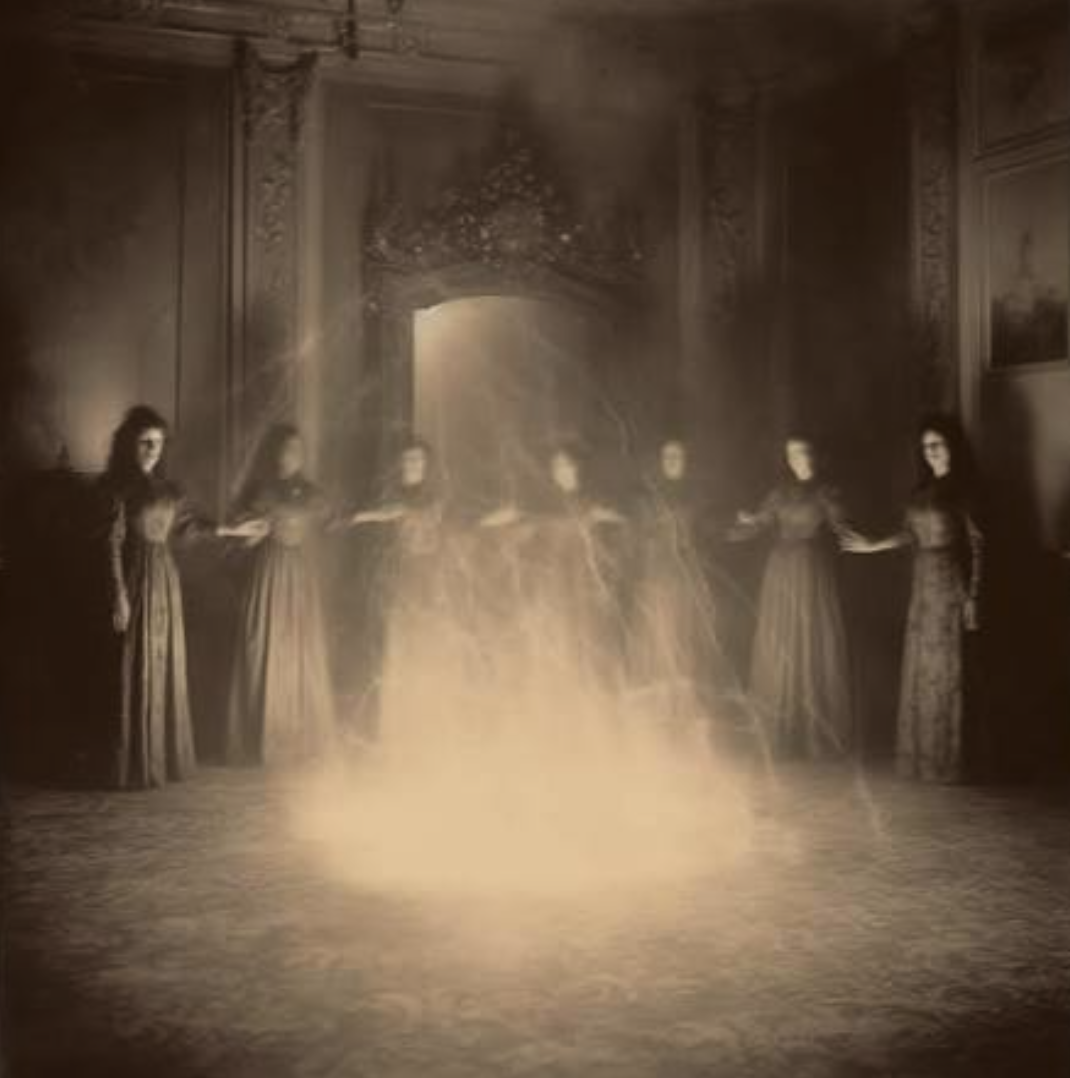
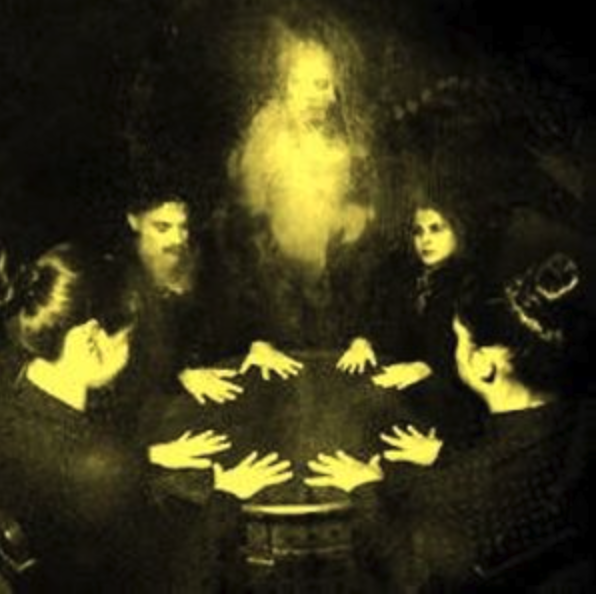
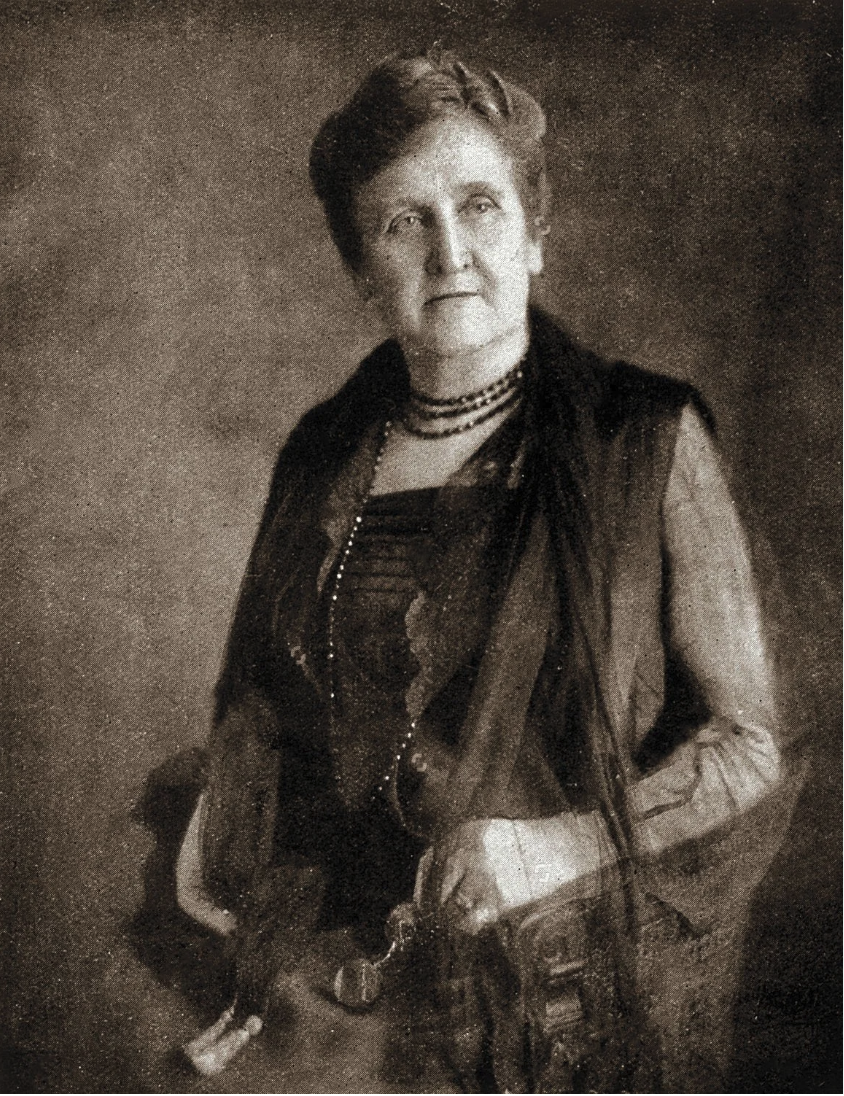
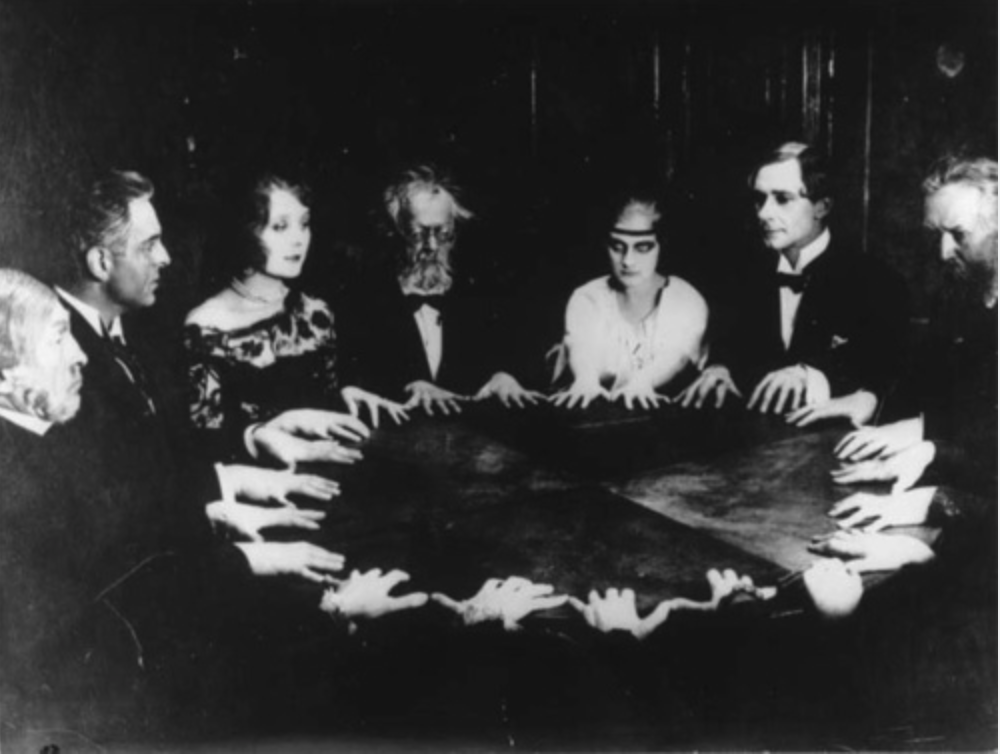
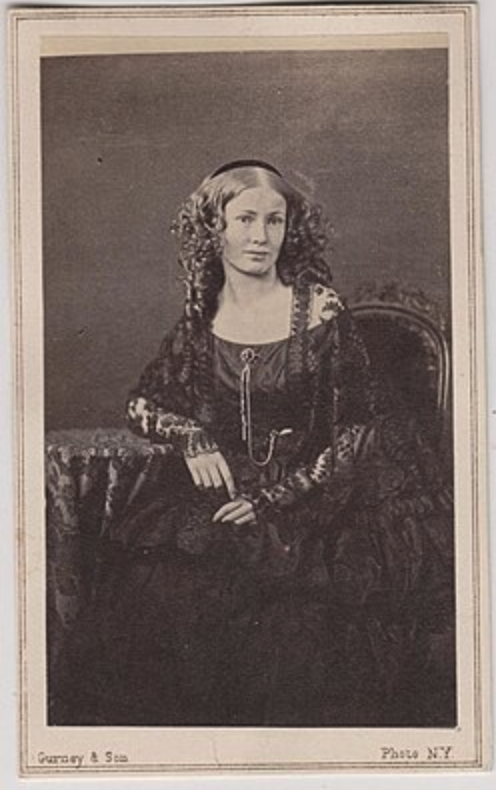
Thoughts on why Spiritualism became so popular in America in the late 19th century and the women paved the way.
Working as an evidential psychic medium has led me to become interested in the history of mediumship in the United States. My interest is rooted in wanting to understand my own place in this history and the role I’d like to play in the field going forward. As I began exploring, it became clear that to understand this history you must consider the rise of Spiritualism in America in the late 19th century.
Before we go further, I think it will be helpful to define a few things. What is Spiritualism and what is mediumship?
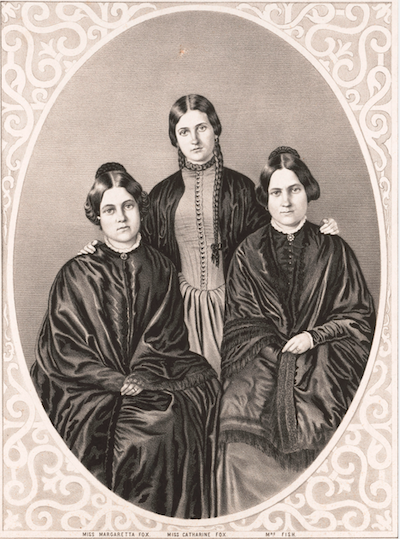
Spiritualism is a religious and philosophical movement based on the belief that the soul survives physical death and continues to evolve in the afterlife. Its core practice involves communicating with spirits through mediums to prove the continuity of life. The modern spiritualist movement is often cited as beginning March 31st, 1848, with the Fox sisters (Kate, Maggie, and Leah) who reported hearing rapping noises from an alleged spirit in the family home, marking a symbolic beginning to the movement.
By the 1850’s practices became widespread in the United States making public seances and mediumship demonstrations mainstream. The National Spiritualist Association was established to organize the movement in the United States in 1893. However, by 1920 public interest peaked and a sharp decline followed due to shifting cultural norms and fraud.
Mental mediumship is a form of communication where the spirit world interacts directly with a mediums mind through the psychic or noetic senses. The medium remains fully conscious and translates impressions and information into messages for the living. Ideally, a mental medium produces evidence of the continuity of life after death that their sitter or client can validate and the information they bring forward is something that the medium would have no way of knowing beforehand.
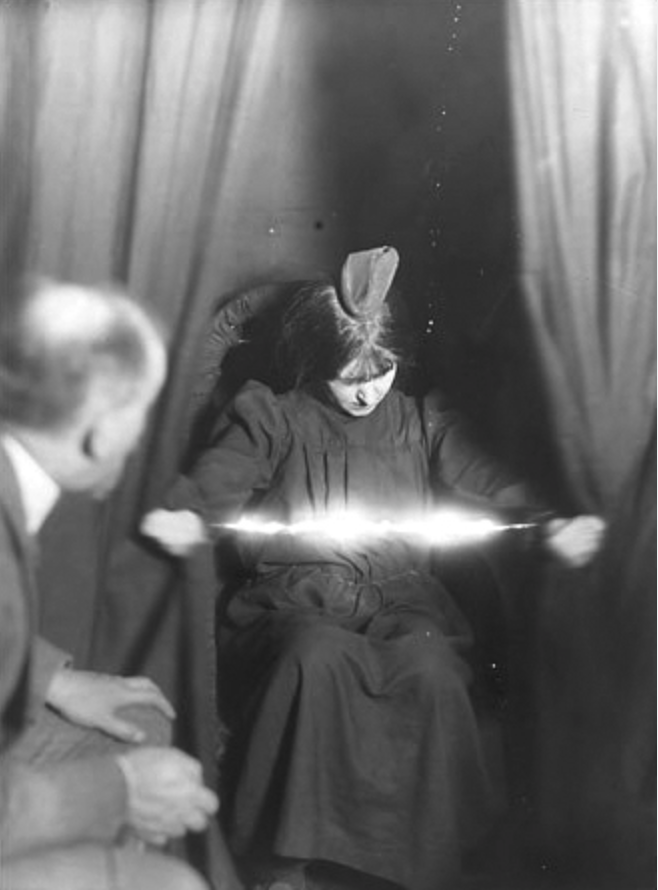
Physical mediumship occurs when spirits manipulate physical energy and the physical body of the medium to produce observable effects in a room. This results in the tangible phenomena that everyone present (medium or not) can see, hear, or feel, such as levitation, rappings, temperature drops or the production of ectoplasm. I'll point out that this form of mediumship has endured a lot of scrutiny, and most investigated cases of ectoplasm were exposed as fraud. But speaking as someone in the field, I don't think every reported case is a hoax. Physical mediumship takes years of sitting in development circles to produce, which is part of why it's so rare today. I think the phenomenon itself came from somewhere real, and as it gained attention, some mediums turned to fraud to keep producing results they could no longer reliably produce on their own.
Trance mediumship is an altered state of consciousness where the medium steps aside mentally to allow a spirit to blend with or control their mind and body. While the mediums are in a deeply relaxed state the spirit communicator uses the mediums voice and body to speak directly to the audience or sitter. This form of mediumship can be described as a real psychological and cultural phenomenon. But while it has provided comfort and a sense of power to some, science attributes its accuracy to the creative capabilities of the human subconscious combined with highly effective techniques of psychological deception. I think this is possible, but based on my own experiences I also think it’s also possible that trance mediums really are channeling spirits and providing healing to those who need it.
You might be wondering which of these forms of mediumship I practice. I work mostly as a mental medium. In sessions I make a link to a spirit communicator and bring forward information which I then pass on to my client or sitter. I check in with them frequently by asking if they can understand the information I'm providing. I ask that they answer with a yes, no, I don't know, or I need more information so that they don't accidentally feed me any information. In an ideal session sitters should be able to validate at least 3-5 pieces of information at minimum. Lots of interesting things can happen in a session, but this is the basic premise of how a session might work.
I've also done some training in trance mediumship and healing. I love exploring trance work and altered states, doing so has made me realize how little we understand about consciousness. Trance is different than mental mediumship because we allow the spirit communicator or a spirit guide to completely take over our consciousness and sometimes our bodies. This form of mediumship was popular in the late 19th century and remains so today. Physical mediumship is not something I practice, and it’s rare to come across these days, a fact that I find interesting and will need to do more research on.
These three forms of mediumship all fall under the umbrella of Spiritualism. That said, there are examples of pre-modern spiritualism that pre-date what I’m exploring here. Some examples include Shamanism, which has been practiced worldwide and is a prime example of an early form of mediumship. Shamans act as intermediaries, often entering trance states to communicate with ancestors and nature spirits for healing and guidance.
Then there are the ancient Greco-Roman Oracles from 800 BCE to 400 CE. This era includes one of my favorite examples, the Oracle of Delphi, where priests and priestesses inhaled vapors to channel the god Apollo to deliver prophecies. Moving forward in time, we see the rise of Christian Mysticism in the Middle Ages (500–1500 CE), where figures like Joan of Arc reported direct audio and visual revelations from angels and spirits.
Moving past the medieval era into the 18th-century Age of Enlightenment, Emanuel Swedenborg stepped onto the scene. His prolific writings on his own visions of the afterlife laid major groundwork for the modern Spiritualist movement. Around this same era, we see The Shakers, led by Ann Lee, who experienced divine visions proclaiming her as the female incarnation of Christ. After establishing a settlement in New York in 1774, the Shakers entered their "Era of Manifestations" and by 1837 members were regularly falling into trance states and channeling spirits.
Humans have been working with the spirit realm in different ways for millennia. While spirit communication is ancient, it felt entirely new to white, Protestant Americans living in the 19th and early 20th centuries. Because of their Euro-American colonial background, they had largely severed any cultural practices oriented toward tending to spirits or ancestors. This is in stark contrast to enslaved African Americans and Indigenous peoples, who resiliently maintained deep ancestral and spirit traditions despite severe oppression.
For this white populace, mainstream Christianity offered little comfort during a time of terrible national upheaval. It was within this specific landscape of grief that Spiritualism took off, deeply intersecting with the rise of abolition and women's suffrage, where women utilized the movement to claim a radical new authority. I think it’s interesting to look at this time in American history because it’s clear people were enduring tremendous suffering, and in that suffering, they searched for meaning and connection not within structures they were familiar with, but with spirits themselves. In doing so, something ancient — mediumship — became new again.
Why did Spiritualism become so popular in American in the late 19th century?
As I mentioned earlier, the movement began in 1848 in upstate New York, sparked by the Fox sisters who claimed to communicate with a spirit in their Hydesville home through a system of mysterious knocks and rappings. This would be remarkable in any era. In theirs, it was like a stone thrown into still water, their claims caused a ripple effect that lasted for decades.
Infant mortality rates in mid-nineteenth-century America were staggering. Some estimates suggest that one in five children died before their fifth birthday. Then the Civil War arrived, consuming more than 600,000 lives in four years, with many soldiers buried in unmarked mass graves far from the families who loved them. There was no body to bury, no funeral to attend, no ritual container for the enormity of what had been lost. Grief had nowhere to go. Into that vacuum came a movement that promised the dead were not gone, they could still be reached through mediumship.
There was also something else feeding the fervor. The 1840s and 50s were decades of dizzying technological transformation. Photography and the electric telegraph arrived. It’s hard not to overemphasize the impact of new technology on the human psyche. If the physical world contained such wonders, then perhaps the spiritual world did too. Early Spiritualists frequently called mediumship a "spiritual telegraph." In their view, the machinery of mediumship was not so different than the telegraph, you simply needed someone who could attune to the right signal to receive messages from spirit. That someone happened to be, in large part, women.
Victorian gender ideology held that women were passive, sensitive, emotional, and spiritually permeable — suited to the domestic sphere, to intuition, to feeling and sensing. Men were rational, active, suited to the public world of science and commerce. These were not just social conventions. They were treated as biological facts, underwritten by medicine and enforced by law.
And yet, Spiritualism performed a stunning inversion. The very qualities that kept women out of public life (their sensitivity, their emotional depth, their capacity to be moved by unseen forces) were reframed as supreme spiritual qualifications. To be a medium, you needed to be a passive vessel. You needed to be willing to step aside and let something else speak through you. Victorian culture had spent decades insisting women were exactly this. Spiritualism agreed and argued it was precisely why women can speak to the dead. Sensitive nerves, a sign of fragility and weakness, were recast as psychic tools to access the dead.
The female medium was a figure who subverted femininity even as she embodied it, claiming authority through the very traits that had been used to diminish her. A seance became a place where a woman could command a room. Where she could hold forth on politics, on abolition, on the rights of the disenfranchised. Where she could speak truths that would have been dismissed or silenced anywhere else, and if anyone objected, she could simply say that it was the voice of spirit talking, not herself.
Trance mediums like Cora Richmond and Achsa Sprague filled auditoriums of thousands. They lectured on science, on philosophy, on the burning political questions of the day. Sprague had spent years bedridden before she claimed spirits entered her body and commanded her to speak. She traveled across the country delivering addresses that moved audiences to their feet. The body that had failed her became the instrument of her authority. And when she channeled in a trance state, she delivered messages that, in my opinion, the world needed to hear. These messages focused heavily on abolition, women’s rights, and prison reform. She also channeled wonderful poetry while in trance states, one of which I’ve included below.
I Still Live

I still live! The grave hath not
Bound me in its cold embrace;
Earthly shadows are forgot,
As I view a Savior’s face.

I still live! The heavy chain
Of the body drops away;
Free from sickness and from pain,
I am in the light of day.

I still live! Oh, weep no more,
Friends of earth, for those who die;
They have reached a brighter shore,
Where no tear-drop dims the eye.

I still live! The spirit land
Is a world of joy and peace;
There we join a happy band,
Where all earthly sorrows cease.
The Victorian-era ideal of "True Womanhood" decreed that women were to live according to four principles: piety, purity, submissiveness, and domesticity. But savvy women were able to use some of those principles to argue for taking up new social roles as spirit mediums. The movement openly supported women's suffrage, dress reform, the right to divorce abusive husbands, and bodily autonomy in an era when none of these things were guaranteed. Susan B. Anthony and Elizabeth Cady Stanton both praised Spiritualism for being the only religious movement of the era, aside from the Quakers, that recognized women as equals. But did it?
Psychical researchers, typically middle- and upper-class white men, physicians, psychologists, and physicists, wanted to establish the scientific study of paranormal phenomena as legitimate. They dragged the mystery of the séance out of darkened rooms and into the laboratory for analysis. And just like in every other scientific field at the time, men were the scientists, and women were the ones they studied.
To "verify" that a medium was not concealing props or faking phenomena, investigators tied women to chairs, sewed their clothing shut, locked them in wooden cabinets, and searched their bodies before and after sittings. The French medium Eva Carrière (formerly Marthe Béraud), who produced alleged "ectoplasm" during her sittings in the early twentieth century, was thoroughly examined before each sitting. The German physician and psychical researcher Baron Albert von Schrenck-Notzing had her female companion (who was also her lover) examine Carrière's genitalia to verify she wasn’t concealing anything. The sessions were highly sexualized and photographed. The room where Carrière worked has been described as a cross between a Victorian medical clinic and a provisional photo lab.
I find Eva interesting because even though she was a fraud (ectoplasm turned out to be cheesecloth and gauze, regurgitated paper and food) she achieved significant financial stability, lived comfortably with her partner Juliette Bisson, and traveled internationally. For a woman of her time the alternative to enduring these scientific trials would have been a life of forced domesticity, poverty, or dependence on a husband. All of which are things she clearly had no interest in. I’m not sure I can blame her.
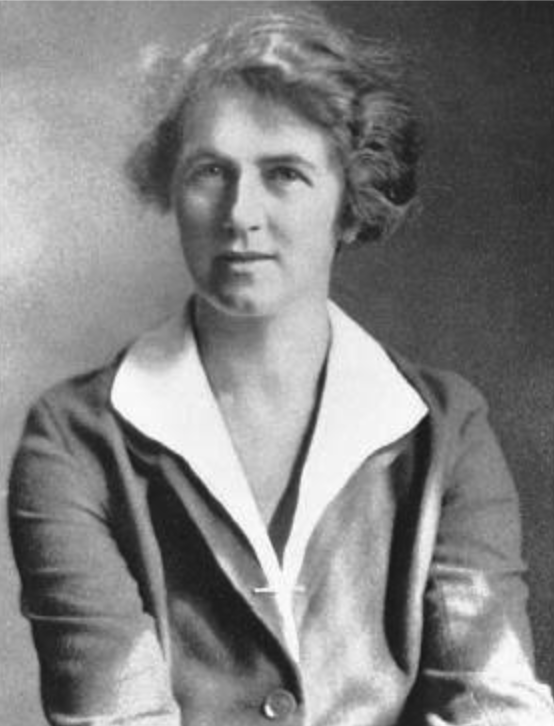
The medium Mina "Margery" Crandon, one of the most investigated mediums in American history, spent years submitting to examinations by a rotating panel of male researchers. At sittings, investigators would control her by sitting on either side, holding her hands and touching her feet with theirs. Harry Houdini, who made a second career of debunking female mediums, was particularly aggressive in her case, devising elaborate physical restraints to use on her body. The message underneath all of this was consistent. Your body is evidence. Your body is suspect. Your body belongs to the investigation. Male mediums were also studied, but not in the abusive and intrusive ways that female mediums were.
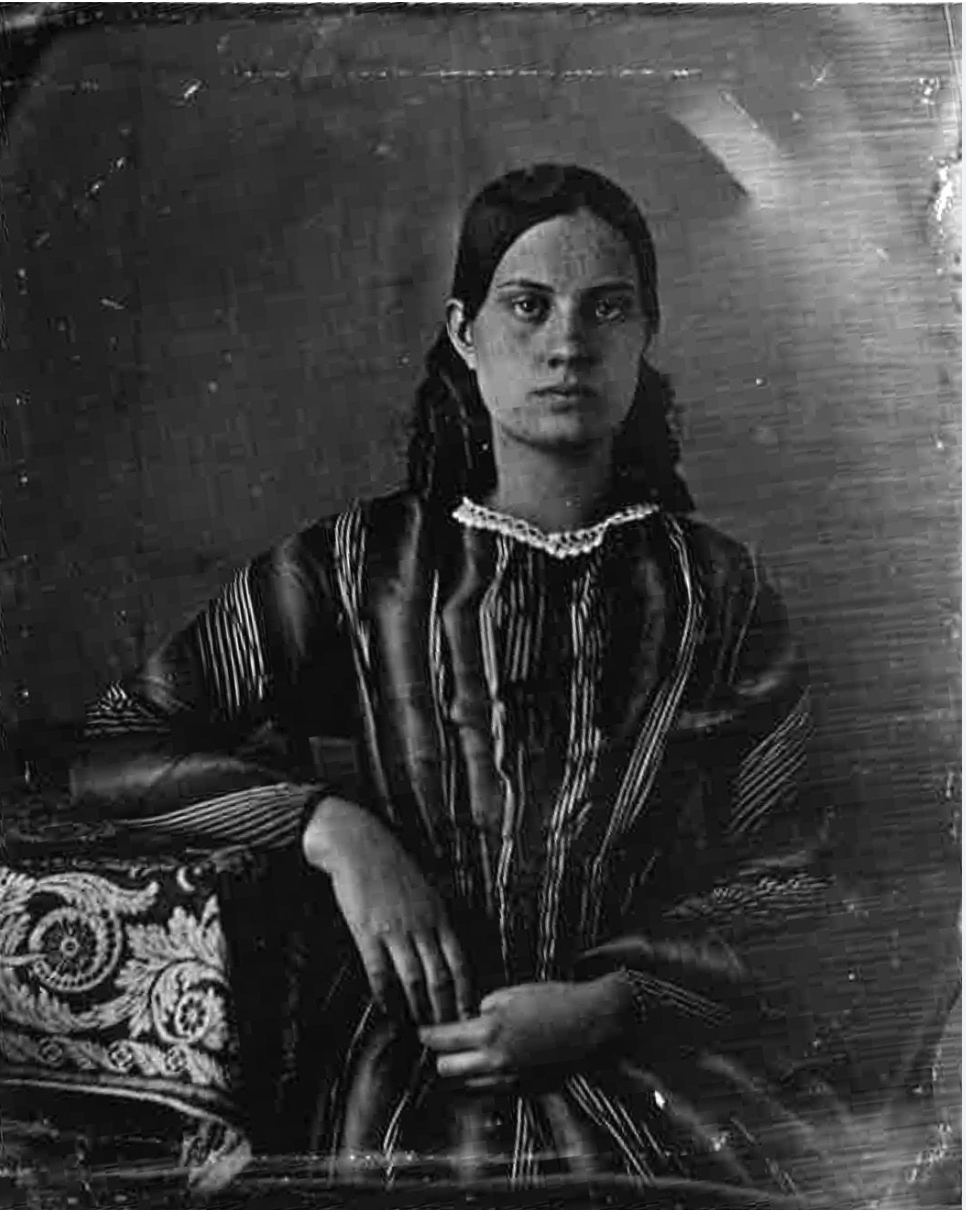
Female physical mediums were subjected to full body strip searches, tied to chairs with ropes, and locked in cages. Male researchers insisted on touching, grabbing, and probing female mediums who produced ectoplasm. Pain infliction was used to test trance states. Famous American medium Leonora Piper was subjected to extreme testing that included holding ammonia-soaked cloths under her nose, pouring laundry detergent, salt, and spirit of camphor into her mouth which caused severe blistering to her tongue. She was pinched, pricked, and cut to see if she would flinch while in a trance state.
Sadly, women who attempted to establish themselves as researchers and scientists in the field of mediumship could never reach the same authority as their male counterparts. As women, they were seen as embodying the same qualities of the medium being studied, which made their observations suspect and untrustworthy. There was no position a woman could occupy in this system that did not make her the subject of analysis and abuse.
With that said, I think it’s worth acknowledging Emma Hardinge Britten who was one of Spiritualisms most prolific writers and trance mediums. She wrote some of the earliest guides on how to conduct séances and was serious about investigating mediums for fraud. She warned that Spiritualism’s credibility depended on holding its own practitioners accountable, rather than leaving that important role entirely to outside observers and researchers. This is something that’s also very important to me, and it’s important to raising the standard of care and ethics in an industry where it seems that, at times, anything goes.
Running alongside the Spiritualist movement was another story being told about women's bodies: the epidemic of hysteria. Female hysteria was a popular diagnosis in Western nations during the Victorian era. It applied to women who exhibited a wide array of symptoms including faintness, nervousness, insomnia, fluid retention, muscle spasm, shortness of breath, irritability, and "a tendency to cause trouble." By 1859 there were claims that a quarter of all women suffered from it. The diagnosis was so vast that it could absorb almost any behavior that was inconvenient. Victorian physicians believed that women were more susceptible to nervous breakdowns and "weak nerves." Hysteria was, by definition, a nervous disease rooted in feminine fragility.
Spiritualism looked at these exact same women — the sensitive ones, the emotionally permeable ones who went into trances, felt things strongly and saw visions — and saw something entirely different. It saw a gift and a vessel for divine communication. This was, for thousands of women, genuinely liberating. The same body that medicine pathologized, the séance room sanctified.
Medicine and Spiritualism both shared the belief that women's bodies were fundamentally porous, open, and acted-upon. Whether the force entering them was disease or divinity depended entirely on who was telling the story. Whatever the case, medicine or Spiritualism, the woman herself was never the author of what moved through her. For mediums, this became a trap. To maintain their authority, they had to perpetually disclaim it. The brilliant trance lectures attributed to spirits couldn't be attributed to the woman herself — that would have shattered the framework on which her credibility rested. She had to remain an empty vessel, an instrument, a passive receiver. The price of speaking was insisting that someone else was doing the talking.
I came to mediumship as an adult, through my own winding path — through the New Age world I grew up in, through yoga and tarot and earth-based practices, through years of sitting with grief and ancestor work, and eventually through formal training. I practice evidential mediumship, which means I aim to provide specific, verifiable information that helps people know that their loved ones are present.
I think about these women who came before me often. The ones who filled auditoriums in the 1870s and submitted to investigation in the 1910s and channeled in darkened rooms across a grieving nation. They are part of the lineage I stand in, whether I claim it consciously or not. What I find most alive in their story is this: they built something real in a system that was not built for them. They found a door and walked through it, and on the other side the door was, quite literally, a cage. The authority was genuine. The liberation was genuine. And so was the trap of Spiritualism in America.
I don't think the answer is to look away from Spiritualism’s complicated history. The women who sat in those cabinets, who submitted to those examinations, who channeled messages while grief-stricken strangers wept — they were navigating impossible conditions with everything they had. Some of them were frauds. Some of them were genuinely gifted. Most of them were doing the best they could in a world that alternately revered and degraded them.
I know the needs they served (the hunger for contact with departed loved ones, the hope of the continuation of the soul) are ancient and real and very much alive today. The séance rooms have changed. The darkened parlors and spirit cabinets are gone. But the grief is the same. The women of the nineteenth-century Spiritualist movement answered that call at enormous cost to themselves, though I would argue many found that cost worth it. The least we can do is know their names and explore their stories because they go beyond whether they were frauds or not, that question simplifies the bigger, broader, and deeper experience that was their lives.